What are N-type TOPCon dual-glass PV modules, and how do they differ from regular modules?
2 min readDJSolar Admin
Learn about N-type TOPCon technology and the dual-glass structure of TRINA PV modules, plus what to consider when choosing.
2 min readDJSolar Admin
Learn about N-type TOPCon technology and the dual-glass structure of TRINA PV modules, plus what to consider when choosing.
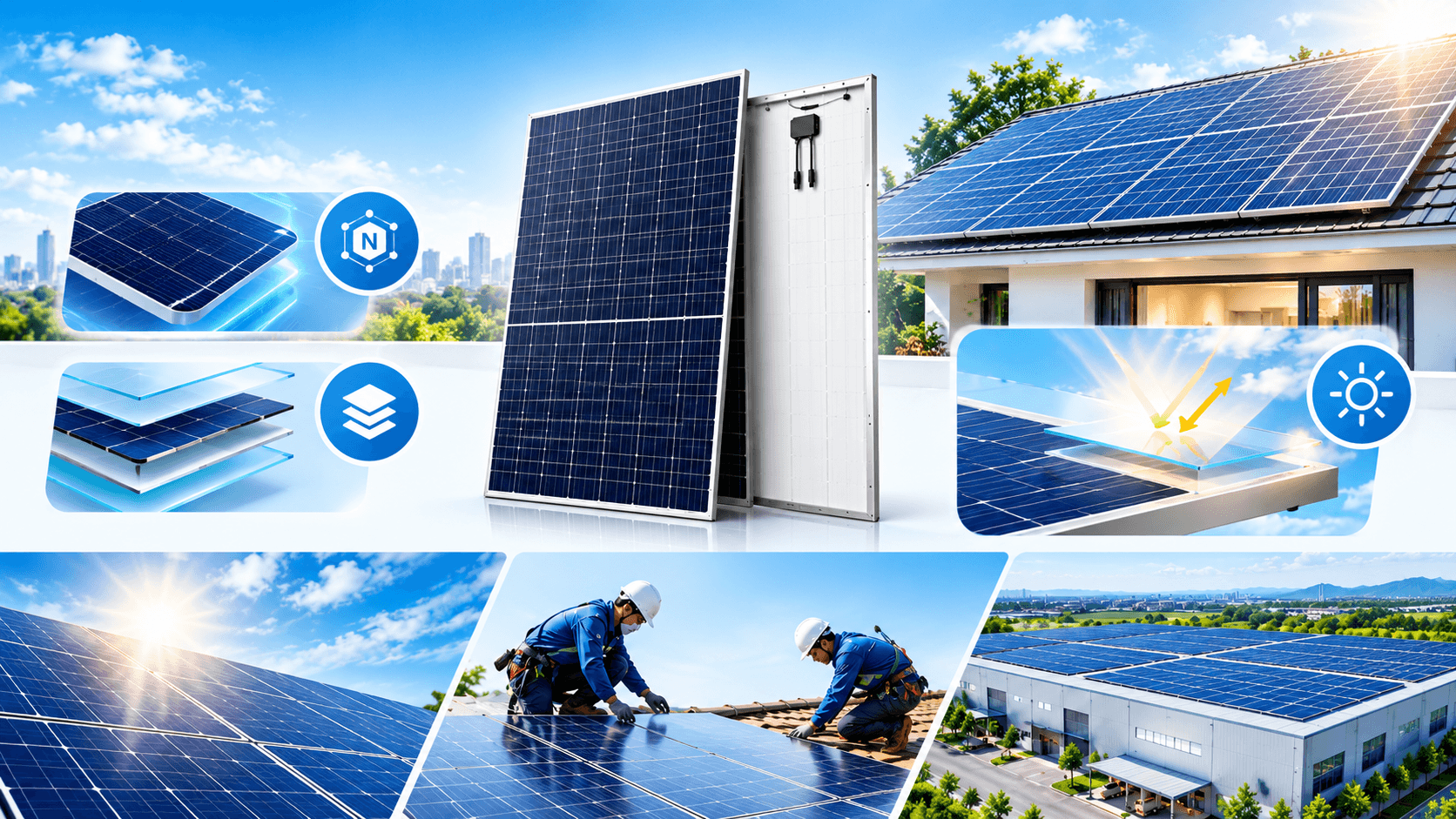
When researching solar PV modules, you will often come across the phrase N-type TOPCon dual-glass. It names a newer generation of PV modules that many projects are paying attention to. This article briefly explains these concepts in plain terms.
Solar cells are made from doped silicon. N-type uses silicon doped differently from the traditional P-type. Technical documents show that N-type tends to have lower initial degradation and better stability over time, so manufacturers often choose it for their new PV module lines.
TOPCon stands for Tunnel Oxide Passivated Contact. It is a contact structure with a very thin oxide layer that reduces charge-carrier losses at the cell surface, improving conversion efficiency. You do not need to remember the technical details; just understand that this is a cell-level improvement aimed at raising efficiency.
A dual-glass PV module uses glass on both the front and the back in place of the usual backsheet. This makes the module more rigid and limits the effects of moisture and the environment. With bifacial models, the rear side can also capture light reflected from the ground to increase output, depending on installation conditions.
The extra gain depends on ground surface color, mounting height and row spacing. An engineer therefore needs to assess each project individually rather than apply a single generic figure.
TRINA PV modules distributed by DJ SOLAR come with a performance warranty of over 80% for 30 years and a 12-year product warranty. Defective products are replaced 1-for-1 under the warranty terms.
If you prioritize efficiency, durability and a long warranty, this is a choice worth considering for both homes and factories. However, the final decision should still be based on your budget, roof area and actual installation conditions. Contact DJ SOLAR for product advice and a suitable quotation.
Tin ngành
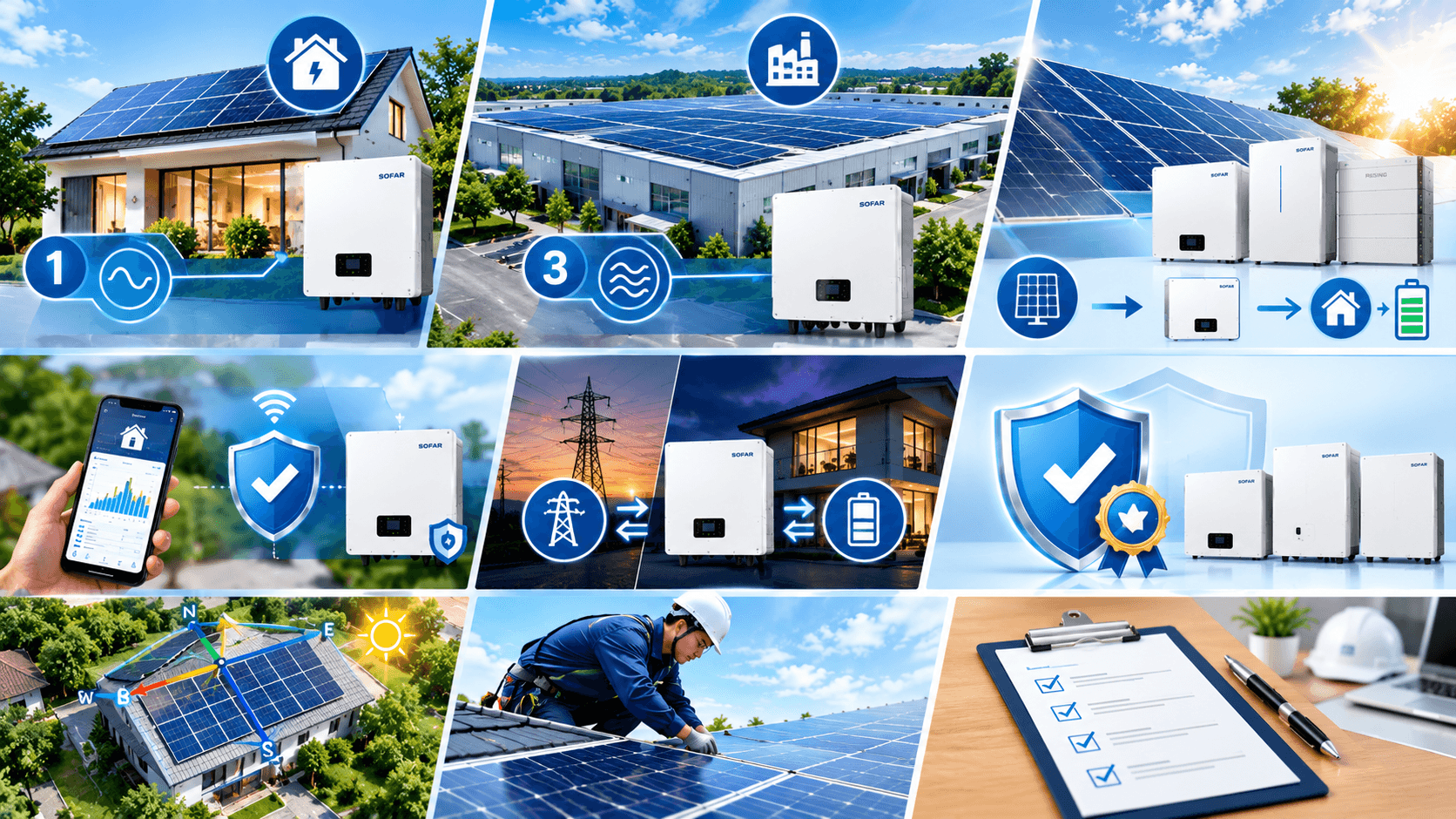
Key criteria when choosing a grid-tied inverter: number of phases, capacity, number of MPPTs, monitoring and warranty policy.
Tin ngành
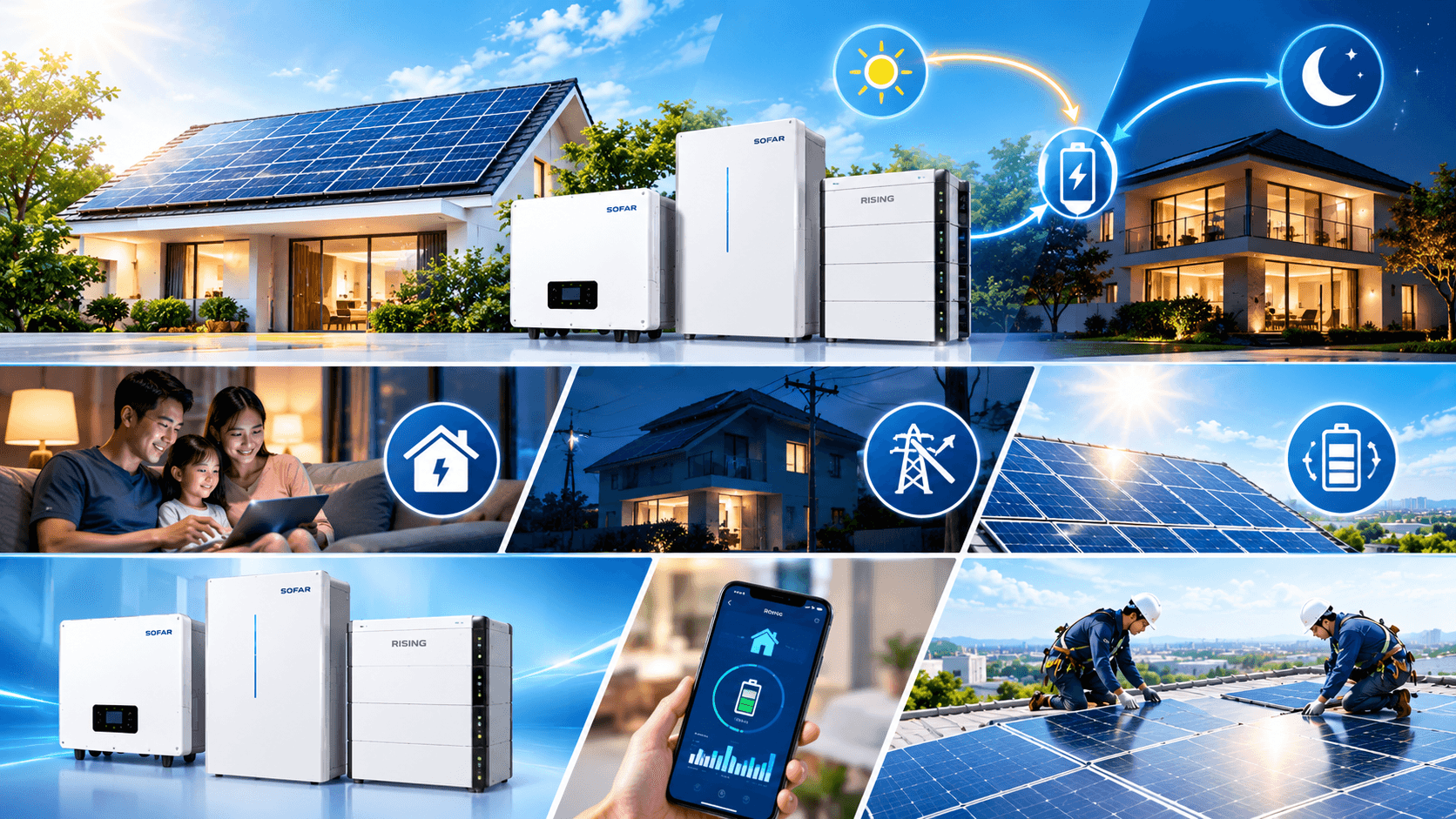
Lithium energy storage batteries are becoming increasingly common in solar systems. Here is why, and how to choose a suitable configuration.
Tin ngành
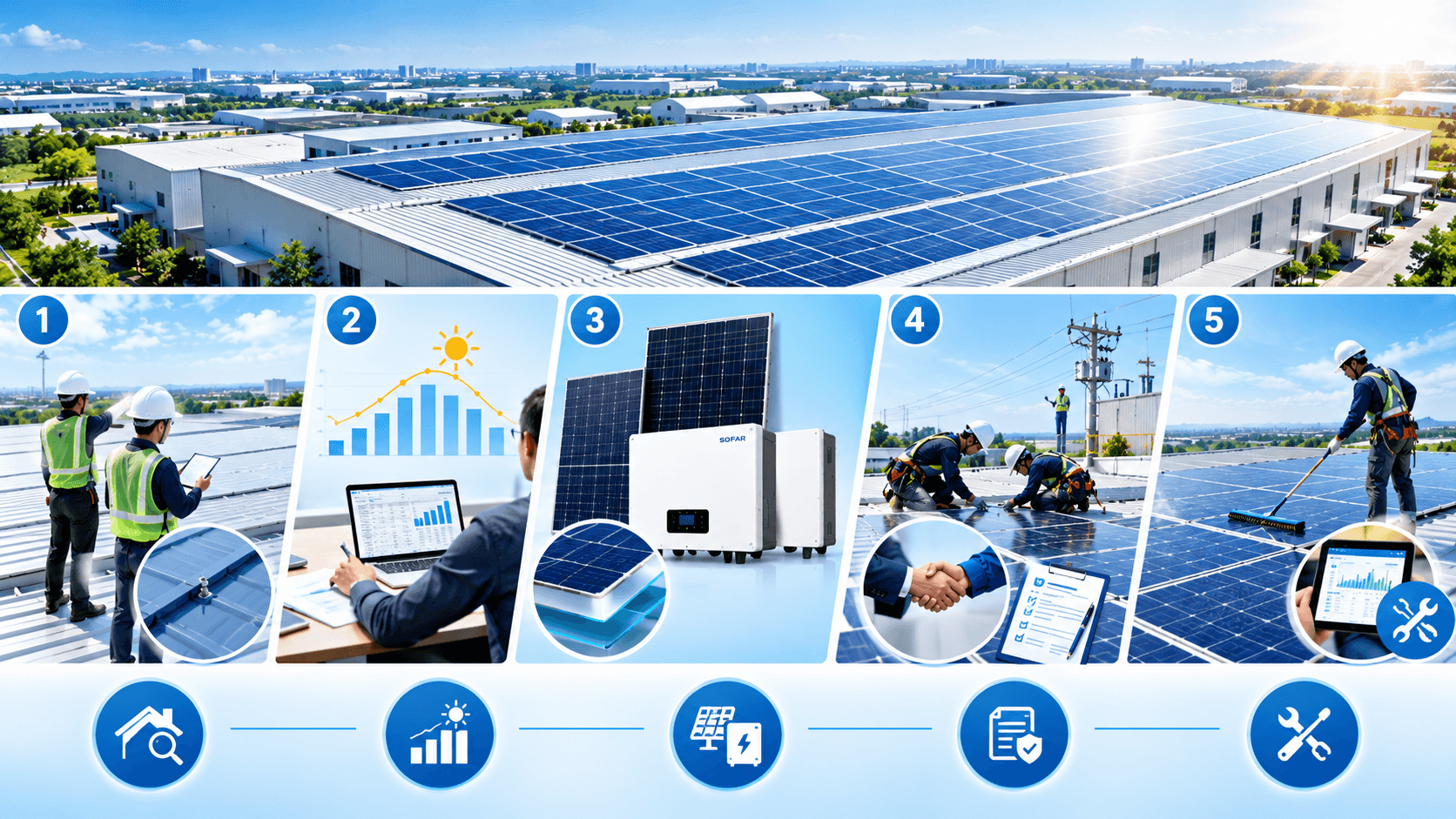
Checking the roof structure, sizing the system, choosing a three-phase inverter and reviewing the warranty are the steps to take before installing rooftop solar for a factory.
The DJ SOLAR team is ready to help you choose equipment and get a quote for your project.
